Neuro-Robotic CommandOne mind.Many machines.
A non-invasive EEG brain–computer interface that turns trained motor imagery into supervisory command of a swarm, tested in simulation. Built in a SAM.gov-registered research lab, and teachable board-by-board in the Academy.
▸ 01 · Command the swarm
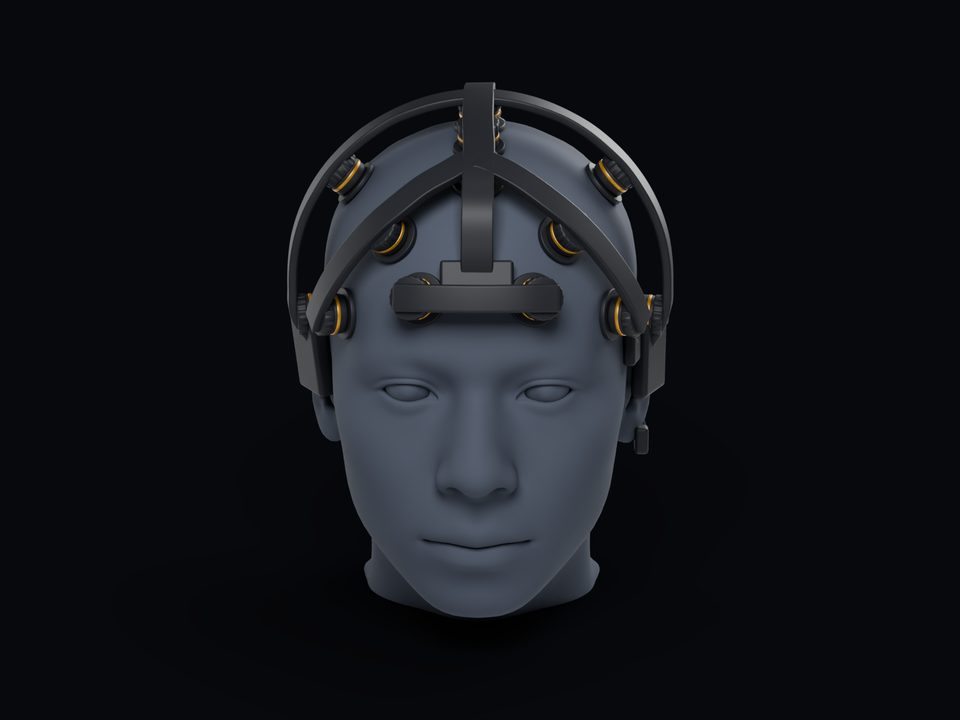
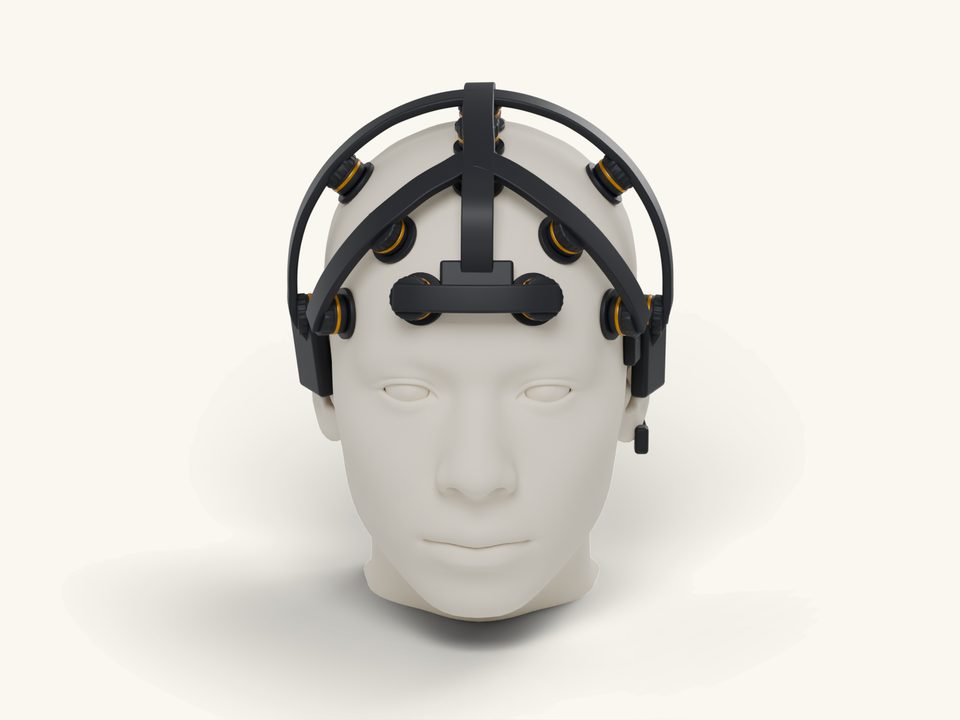
Aplomado™ HID turns trained motor imagery into command of a swarm. It is designed for a skilled operator recalling deeply-grooved procedural movements (Embodied Motor Imagery), which the system classifies into vectorial intent: high-level directional commands, not raw actuator signals. Each platform’s edge-autonomy flies itself, so one operator commands N platforms at once, demonstrated in simulation.
▸ Why it scales
The operator broadcasts intent; the edge handles flight. That decoupling is meant to damp control-loop oscillation, and it’s what turns a one-to-one link into 1:N supervisory swarm command.
▸ 02 · The Aplomado headset
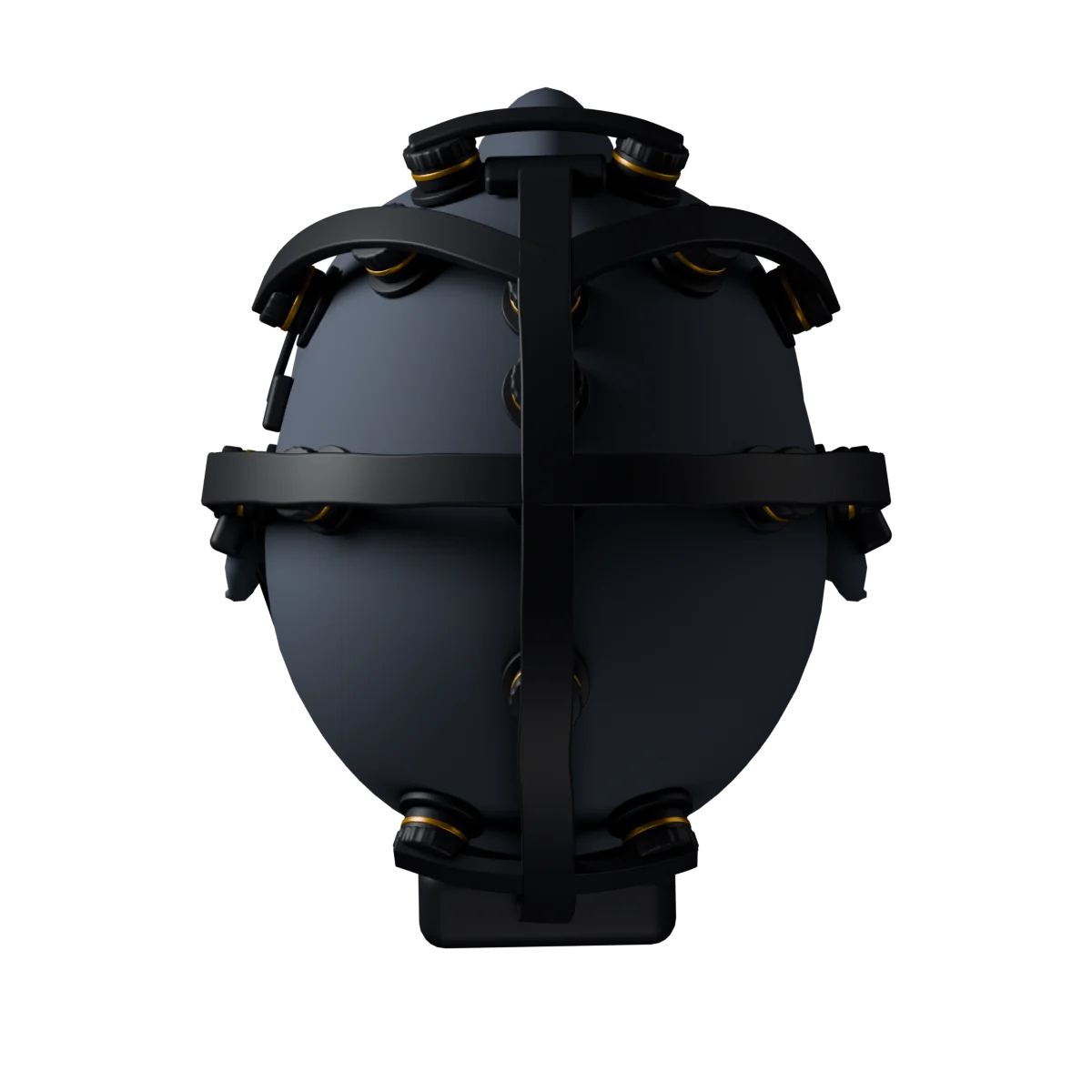
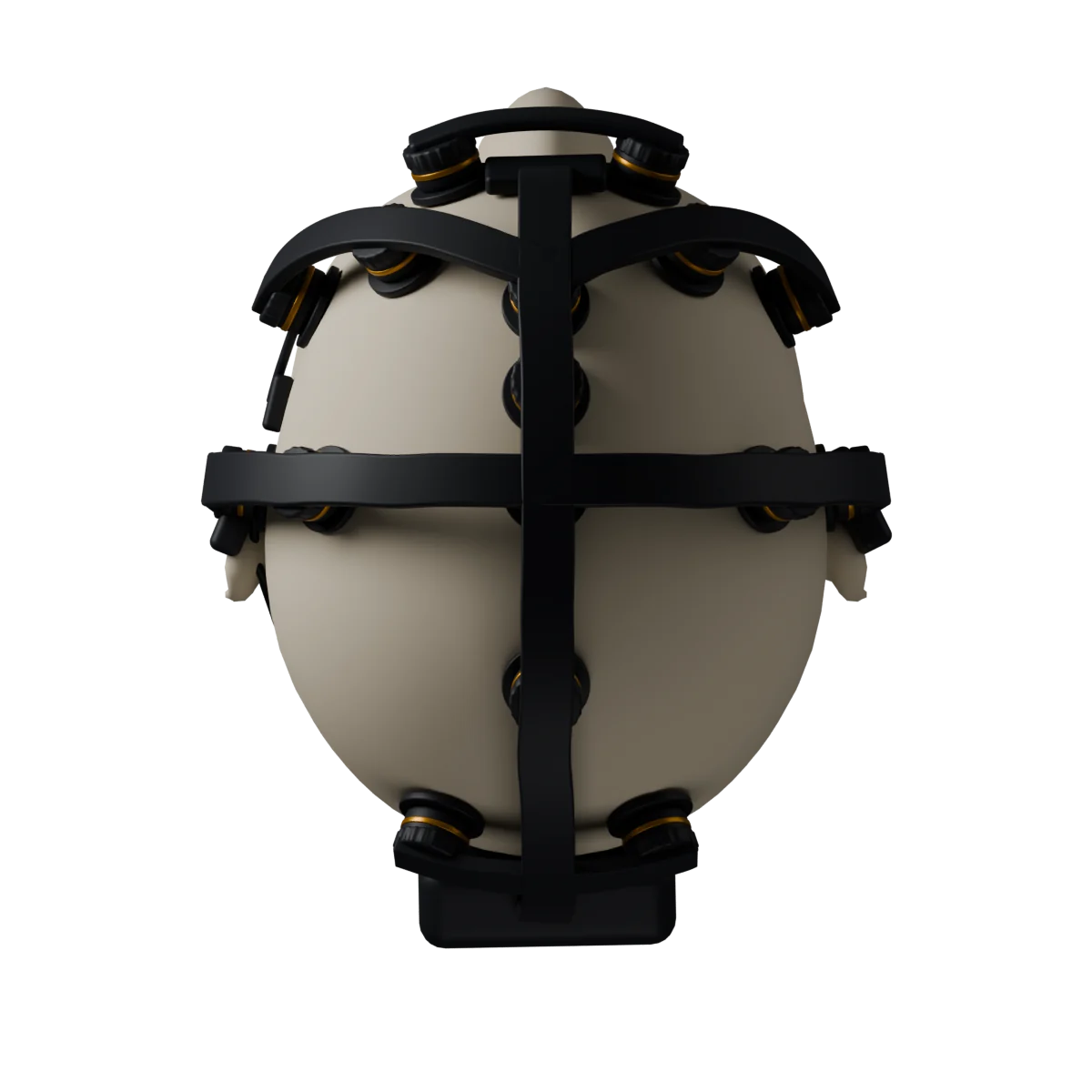
One headset, OIDAT built in
drawingobject
▸ Built in · OIDAT operator safety
OIDAT™ (operator incapacitation detection and authority transfer) recognises an operator going down, from a sudden collapse in heart-rate variability, a surge in frontal slow waves or a flattening EEG, or falling SpO2, and passes command to a designated successor operator. The software is complete and tested on simulated signals; the headset is in development.
▸ Why read operator state
A grip-pressure dead-man switch only knows your hand let go. OIDAT reads the operator’s physiology instead. In simulation it tells incapacitation from fatigue: incapacitation arrives as a step change, fatigue as a slow curve.
OIDAT has been tested on simulated signals only. It has not been validated on people, has not been cleared or approved by the U.S. FDA or any other regulator, and is not for clinical, diagnostic or operational use. The demo runs on simulated signals.
Aplomado-16
16 channels · 10-20 sites
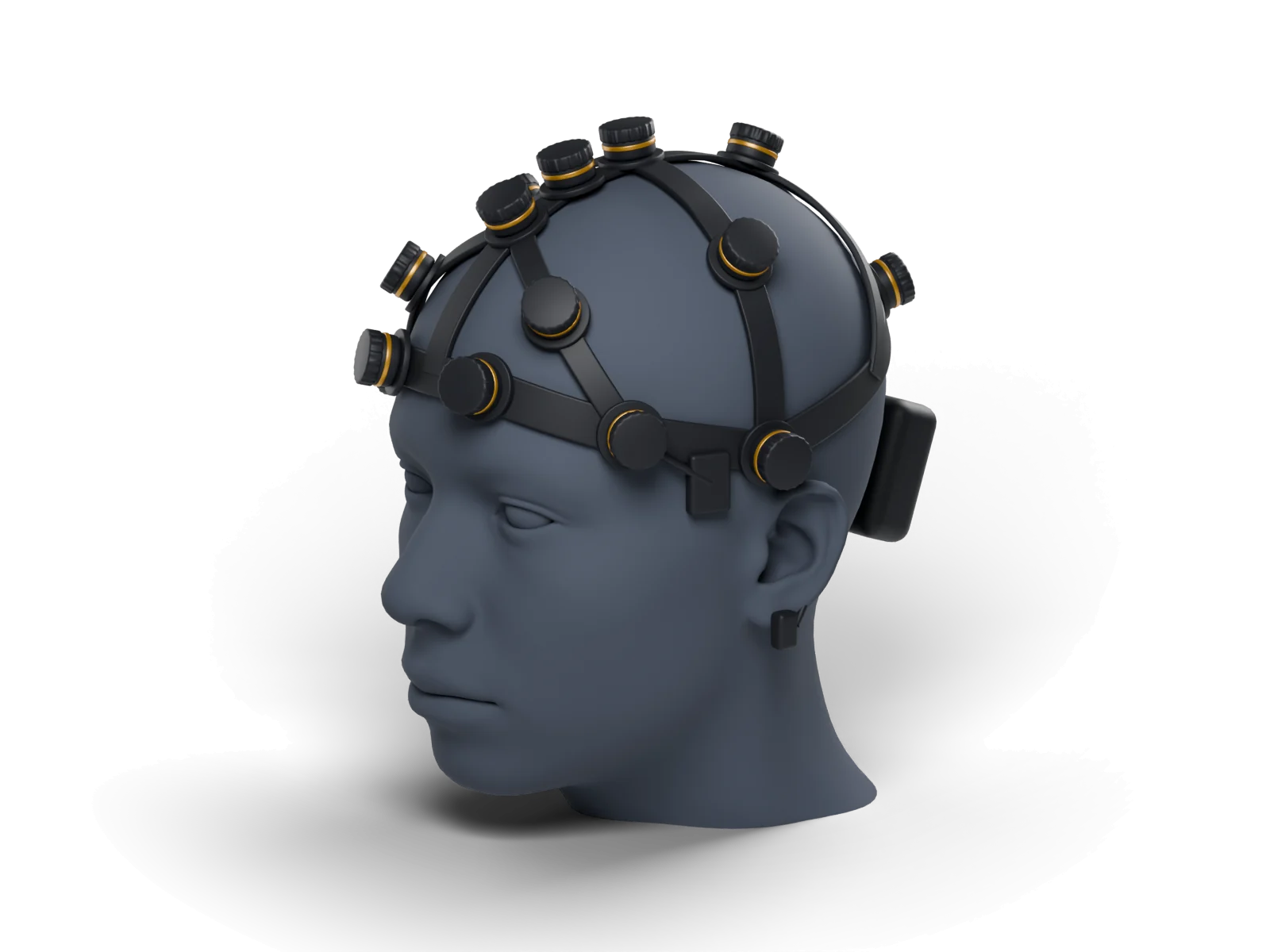
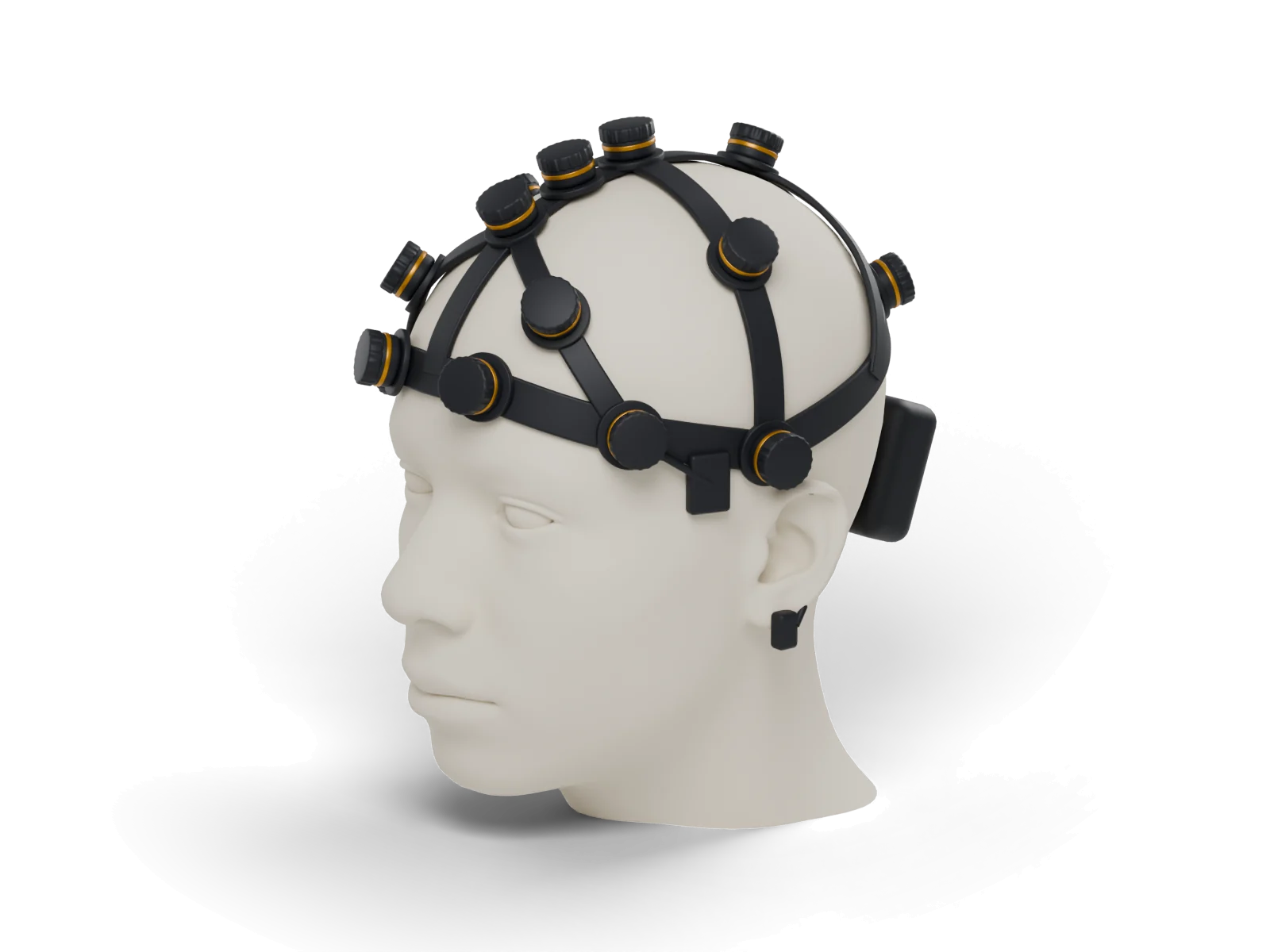
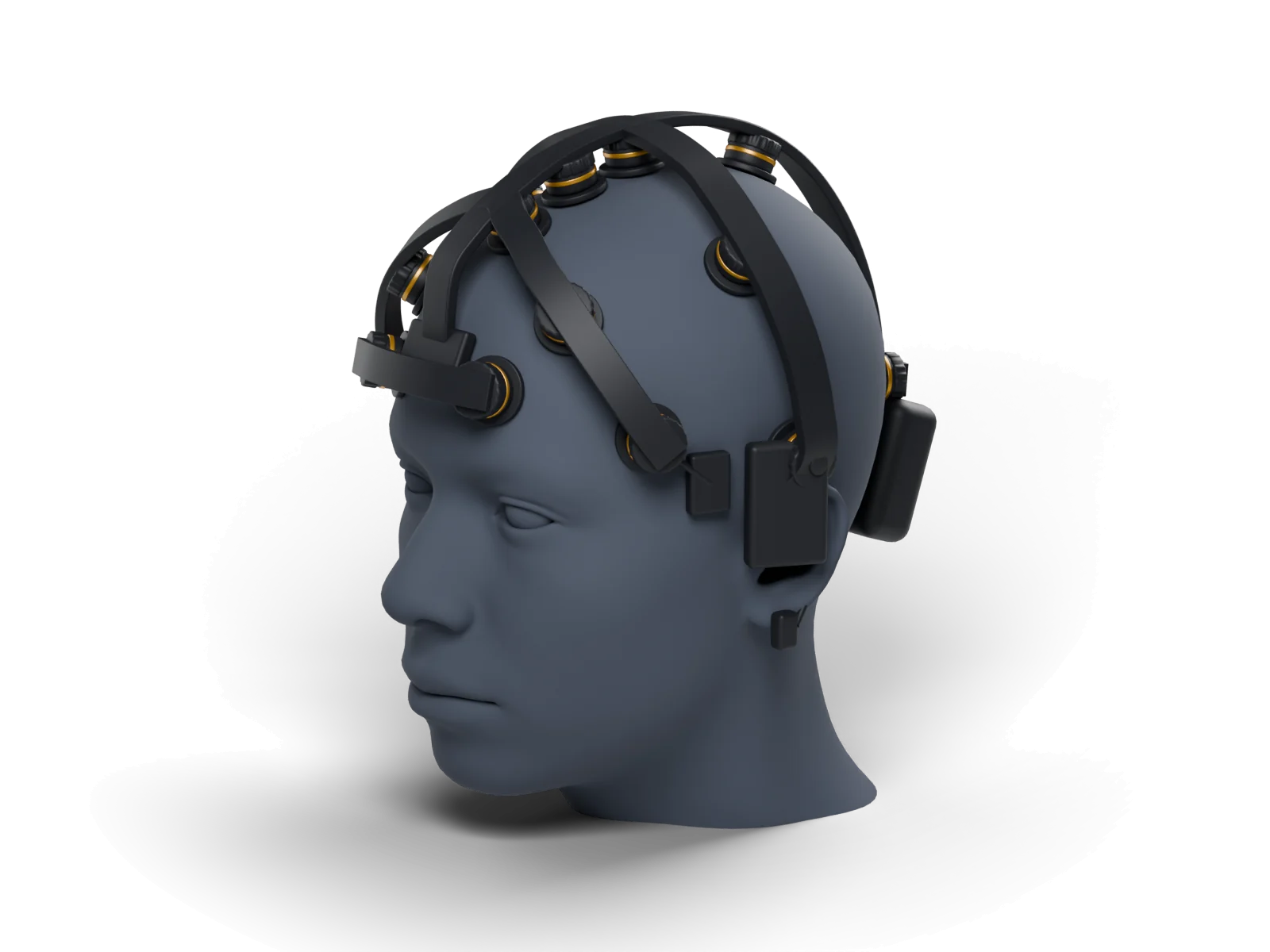
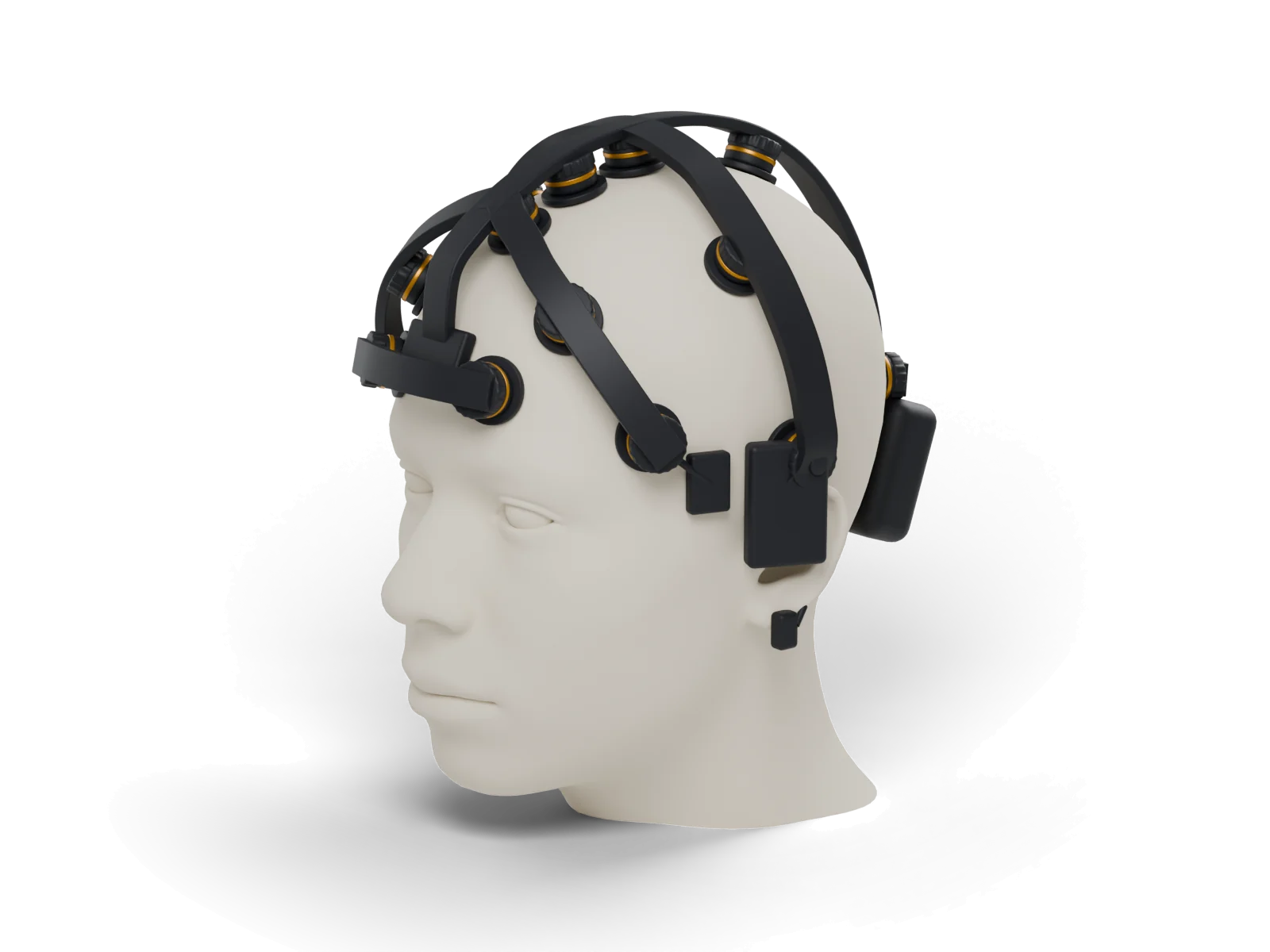
- Sensing16-ch EEG + HRV
- InputEmbodied Motor Imagery
- Outputvectorial intent
- Command1 : N supervisory · in simulation
- Autonomy gateBayesian hover / abort · in simulation
- Statussoftware tested in simulation · headset in development
▸ Over the hand areas · Aplomado-16
Simulated · emulator signal, not brain data100 µV full scale · 250 SPS · + up · C3 / C4 sit over the left / right hand areas
▸ 03 · A bench mounting standard
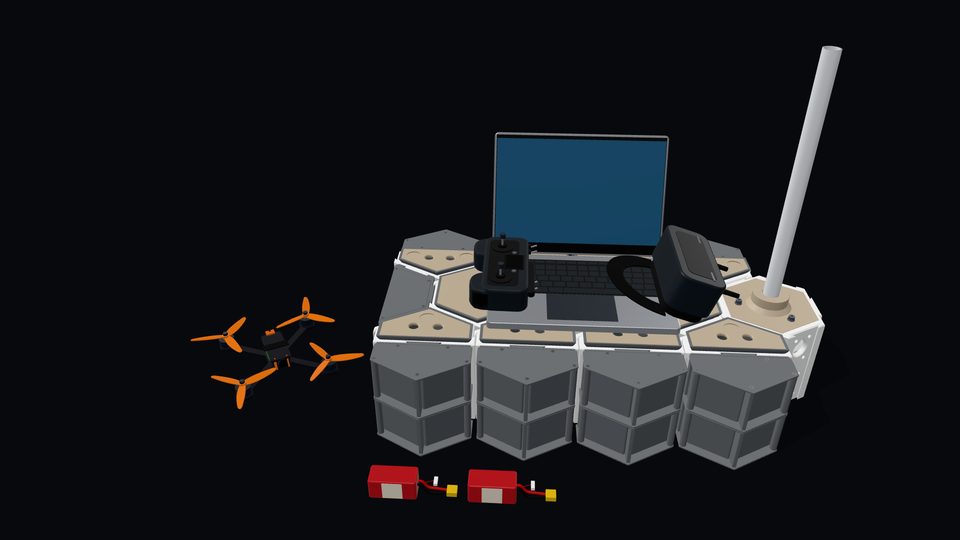
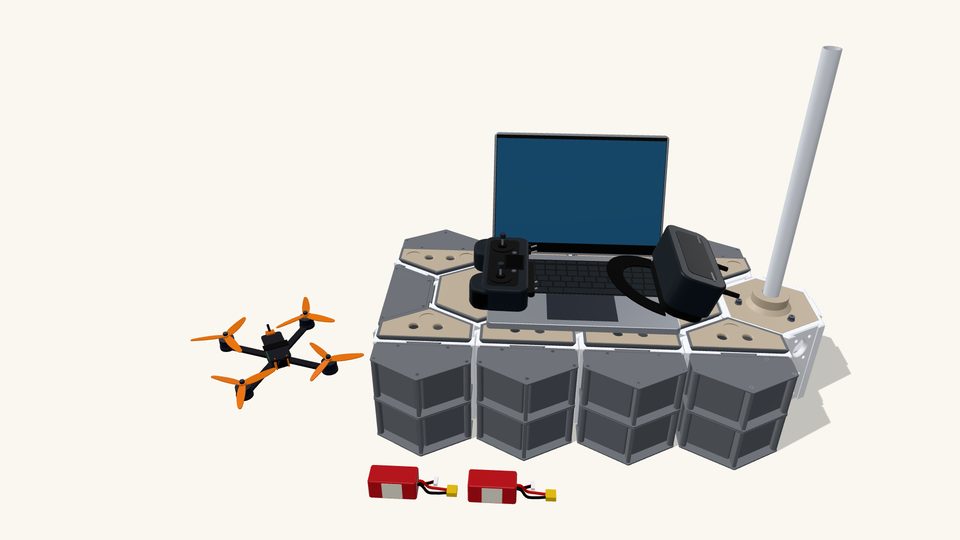
Print every part yourself; the files are CC BY 4.0. Every base carries a dovetail on all six edges, so a layout of any size locks together and moves as one piece. Plan a layout in the configurator, download the plates, and add to it one cell at a time. No account, no email.
- hex-half-n
- hex-main-cover
- cover-grate
- bin-div2
- cap-edge
- acc-hook
- acc-handle
- acc-keyhole
- 25mm-ins
- trinity-handle
- acc-saddle
- acc-cleat
- acc-anchor
- acc-bracket
- acc-comb
- acc-probe
- acc-socket
- acc-trellis
- 25mm-female
- bin-drain
- 25mm-zip
▸ 04 · Build it for real


One destination, one subsystem at a time: schematic, layout, fabrication, and bring-up. Follow the path from your first board to a brain-computer interface.
Flagship path
The 8-channel EEG
The flagship: the analog board that reads real brainwaves. The brain-computer interface, and the shortest path to it.
6 courses / leads to 8-channel EEG front-end on ESP32 / L5 capstone
▸ Go further
Other builds, each its own destination. Pick one to chart its path.
- 22
- boards
- 4
- tracks
- 2
- capstones
- 8
- stages a board
SAM.gov registered · CAGE 1ZYS4 · UEI WDQXD9L9UFH3 · Broken Arrow, OK